Integrated SEO and GEO Training for SMEs Expanding Overseas (KITA)
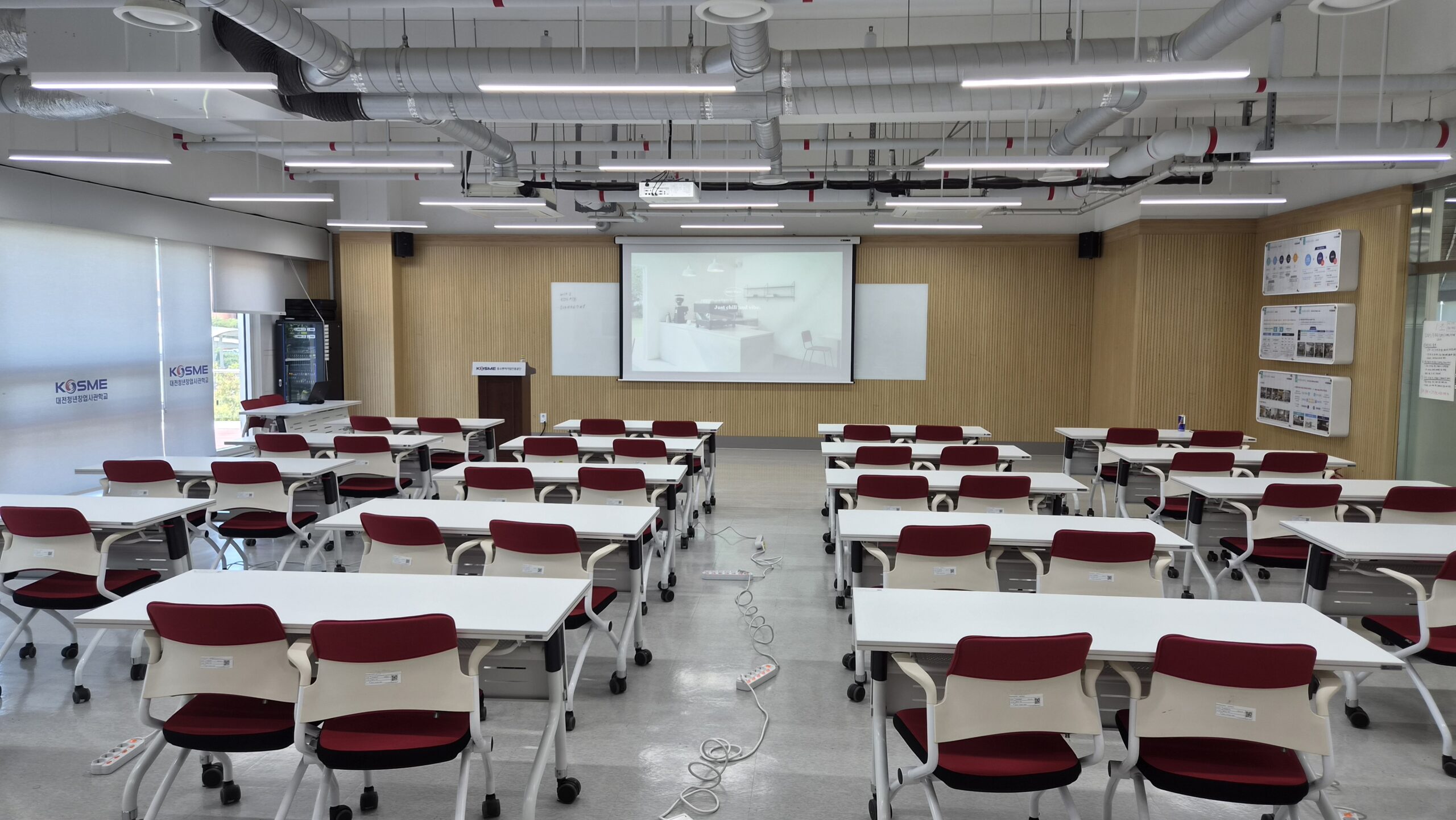
On October 8th, we conducted a ‘Google SEO and AI Search Optimization’ course at the Korea International Trade Association (KITA).
Once again, the most frequent question was: “Our company doesn’t show up on ChatGPT; what should we do first?”
Here is a summary of the key takeaways from the lecture.
What is the difference between GEO and SEO?
| Category | SEO | GEO |
|---|---|---|
| Goal | High ranking and clicks in search results | Mentions and citations in AI responses |
| Placement | Google and Naver search results | ChatGPT, Gemini, and Perplexity responses |
| Maturity Level | Established methodologies built over time | Early stage, changing with every engine update |
Which sources does AI cite?
ChatGPT breaks down a single question into 7–9 sub-questions to search the web,
then cites sources commonly found across multiple results. This is called ‘query fan-out.’
Overseas analytical data suggests that pages appearing on the first page of Google have a 67–77% chance of being cited in AI responses.
Google’s AI Overviews at the top of search results also generally follow the ranking of the top documents in the search results below.
There are also differences between engines.
Perplexity prioritizes the latest documents, so new posts are reflected most quickly.
That is why I emphasized in the lecture that “ranking high on Google comes before targeting a specific AI.”
How to check if your company appears in AI results
Try entering questions your customers might ask directly into ChatGPT.
To ensure accuracy, turn off the memory feature or use a temporary chat so previous conversations don’t interfere.
Search for the same question on Google and see if your site is on the first page.
If it isn’t, that is usually the reason why it’s missing from AI responses as well.
* It is also a good idea to track AI referral paths like chatgpt.com and perplexity.ai in the Google Analytics [Traffic Acquisition] report.
Technical SEO Checklist Shared in the Lecture
robots.txt: Check if you are blocking search engines or AI crawlers (like GPTBot).
Some sites saw traffic jump up to 20 times just by fixing this one setting.
sitemap.xml: You must have a table of contents that includes every post, page, and product.
Server Response Time: This should not exceed 1 second in the Search Console [Crawl Stats].
I reduced my site’s time from 3,920ms to 500ms.
URL Structure: Keep blogs and multilingual pages in subfolders (e.g., /blog, /en).
Domain Age: Less than 4% of domains under a year old reach the top of Google rankings.
What makes this lecture different?
1. We only teach what we have tested ourselves
During the early days of the KITA lectures, I bought a domain together with the students in the classroom.
A site that initially cost about 6 million KRW to build generated approximately 100 million KRW in revenue last year, and I shared that entire process in the lecture.
2. On-site diagnosis of your website
In this session, we opened a student’s site right there on the spot.
We identified issues with overseas access speed, missing title tags, and the reasons why traffic dropped after using AI content, then organized them by priority.
In such cases, my advice is surprisingly: “Don’t touch it too much for a while.”
This is because I’ve seen many cases where making multiple uncertain modifications at once actually leads to a further drop in rankings.
The correct order is to fix things one by one, starting with what is proven.
3. Don’t just listen—publish it yourself.
We provide a WordPress test account, analyze search intent for the first page of Google, write a post using AI, and publish it directly.
4. Separate lecture notes provided.
I summarize the on-site Q&A during every break and provide it as lecture notes. This material is often rated as more practical than the slides themselves.
Recommended for:
– B2B and manufacturing company managers who have a website but aren’t receiving inquiries from overseas buyers.
– CEOs who have received GEO agency proposals but need criteria for judgment.
– Practitioners who want to operate their own company site using WordPress.
Lecture Curriculum (4 Hours)
| Module | Key Content | Learning Objective |
|---|---|---|
| 1. SEO GEO Reality Check | Performance data by industry, quantity and quality of AI traffic | Determining the right search channels for your company |
| 2. Overseas Expansion Keyword Strategy | Competitor keyword analysis, keyword scoring, rewriting | Designing keywords that overseas buyers search for |
| 3. Technical SEO in Practice | Domain/CMS, robots.txt, sitemaps, speed, URL structure | Setting up a site that is easy for search engines and AI to read |
| 4. WordPress Practice | Search intent analysis → AI writing → Publishing | Directly publishing your first SEO content |
For inquiries regarding customized corporate SEO/GEO training, in-house lectures, or consulting, please contact us through the Mareummo Research Institute website.
If you include your industry and current website status, we will adjust the curriculum accordingly.