Hospital SEO and GEO Training: A Busan/Ulsan Hospital PR Association Case Study
The way patients find hospitals is changing.
While patients previously entered a location and medical specialty into Naver or Google, more are now using generative AI tools such as ChatGPT and Perplexity to find information about healthcare providers.
What strategies should hospital PR and marketing professionals prepare for the age of AI search?
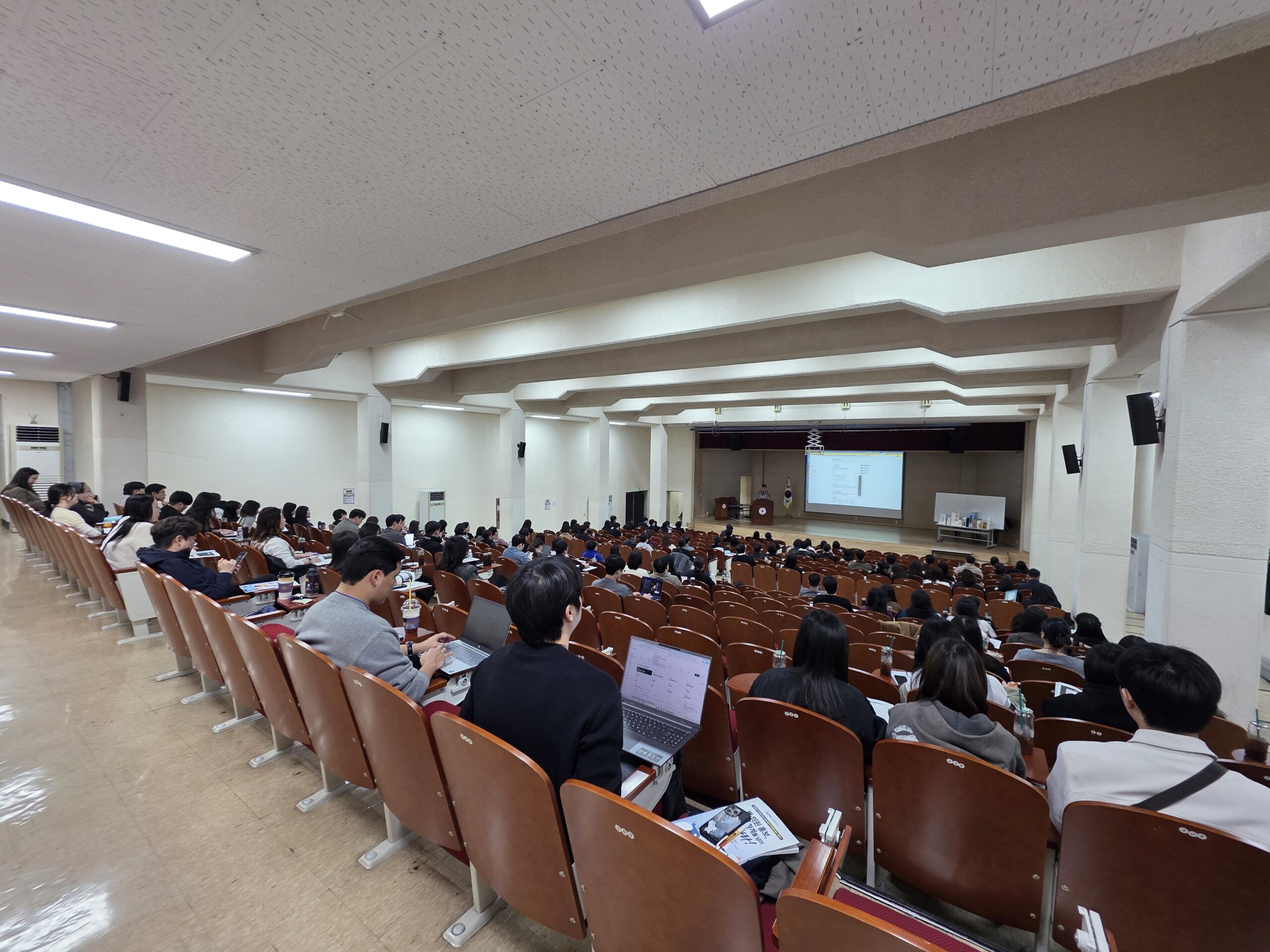
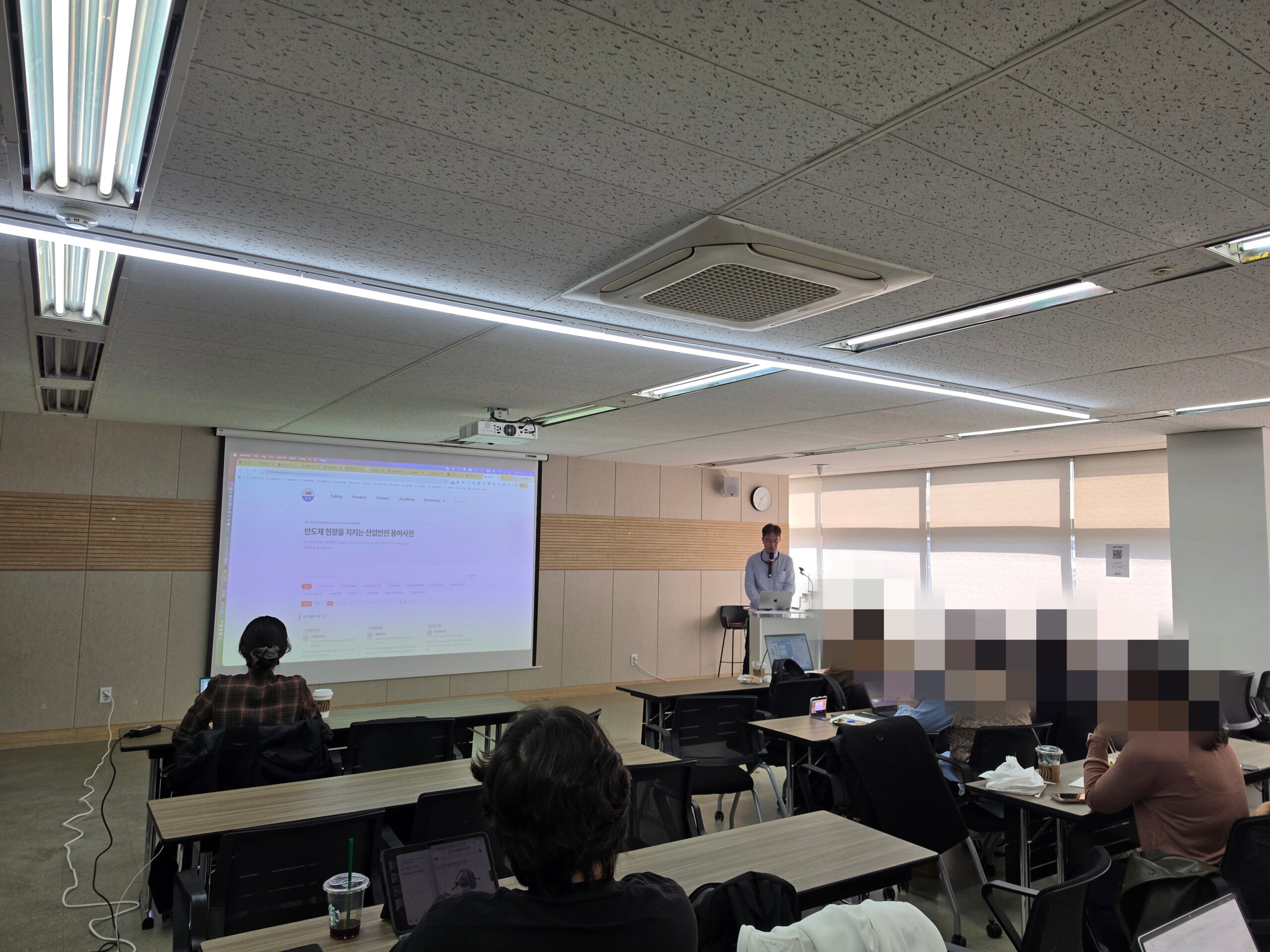
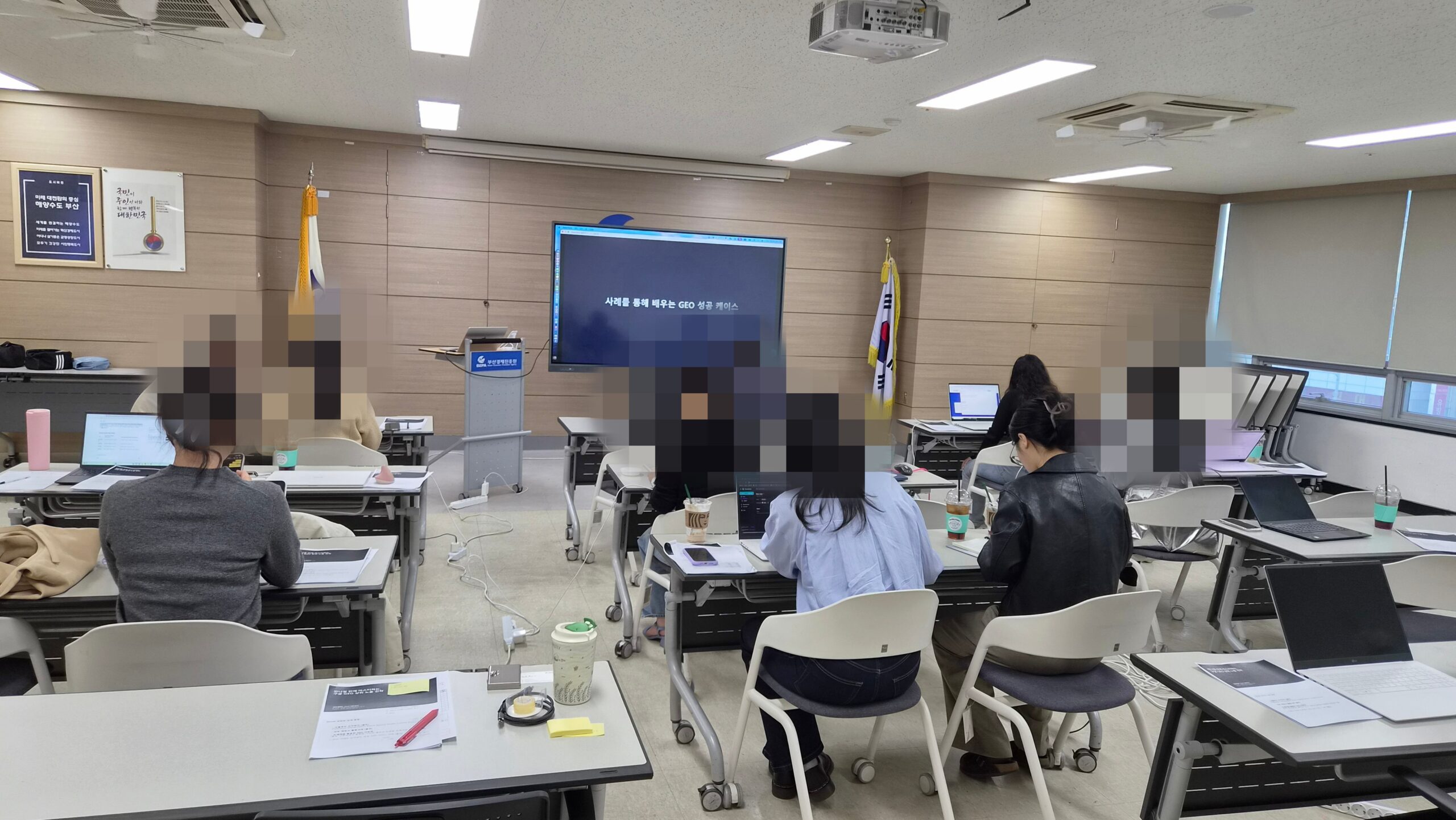
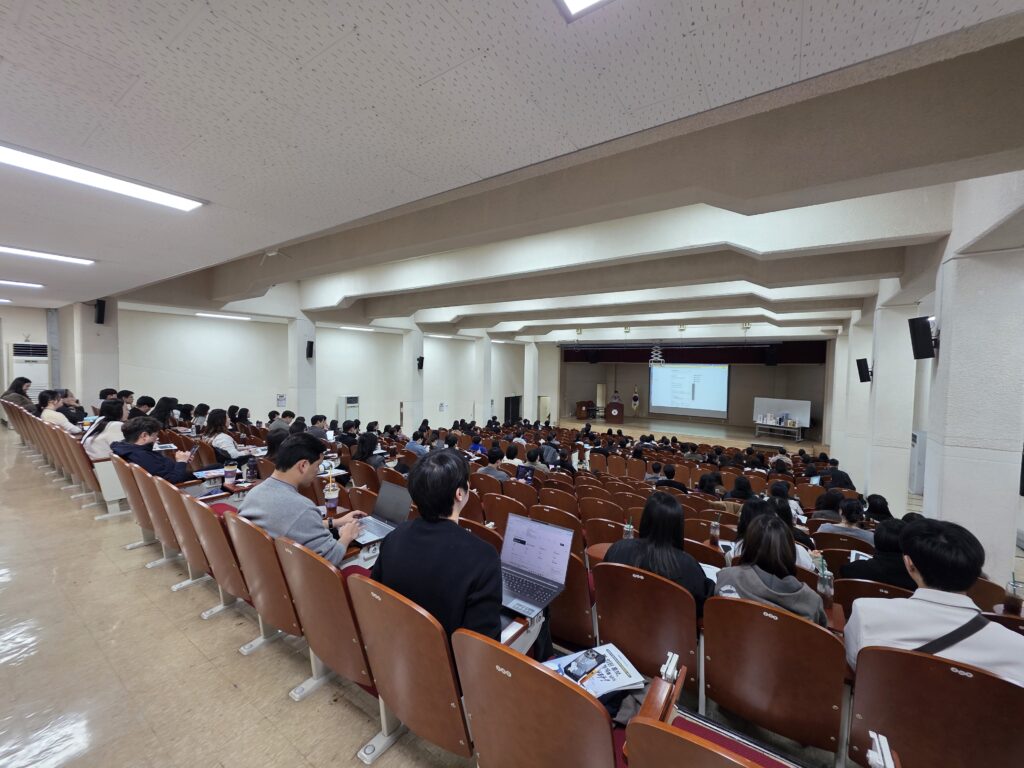
On November 27, 2026, Kim Bo-kyung, Director of Mareummo Research Institute, led a training session on improving healthcare providers’ search competitiveness and visibility in AI search, at the invitation of the Busan, Ulsan and Gyeongnam Chapter of the Korea Hospital PR Association.
The session explored practical applications of Google SEO and GEO using real search data from Busan’s healthcare industry.

Korea Hospital PR Association Google SEO and GEO Training Overview
Organized by: Busan, Ulsan and Gyeongnam Chapter of the Korea Hospital PR Association
Date: November 27, 2026
Duration: 90 minutes
Audience: Healthcare PR and marketing professionals
Instructor: Kim Bo-kyung, Director of Mareummo Research Institute
Topic: Changes in the healthcare search landscape and SEO and GEO marketing strategies
We designed this practical program to strengthen healthcare providers’ digital marketing capabilities
and help them respond effectively to the changing search landscape.
Why We Investigated AI Search Visibility for Healthcare Providers in Busan
When preparing the training on AI search visibility, our top priority was ensuring objective data.
A hospital’s appearance in response to a few queries is not enough to establish that it has a strong GEO position.
Generative AI answers can vary depending on how a question is worded, when the search is performed, and the characteristics of the service.
With the Korea Hospital PR Association’s cooperation, we reviewed the medical specialties of the previous year’s attendees. We then designed 50 search prompts based on Busan’s districts and medical specialties, and tracked the healthcare providers and cited sources appearing in AI search results over more than a month.
Our research focused on the following:
– Healthcare providers and websites frequently appearing in AI search results
– Differences in results by location and medical specialty
– Citations of healthcare providers’ official websites and external healthcare platforms
– Content structure of relatively frequently cited websites
– Technical SEO conditions that support search engine crawling
Rather than simply presenting general GEO examples from overseas, we wanted to obtain locally relevant data that attendees could apply to their own work.
Which Healthcare Websites Does AI Cite?
Our research into healthcare providers in Busan also revealed some unexpected results.
A provider’s prominence or size did not necessarily correspond to how often it was cited in AI search results.
Within the scope of our research, healthcare platforms featuring information on multiple providers and websites listing hospitals by region were sometimes cited more frequently than individual hospitals’ official websites.
These findings have important implications for healthcare providers’ online marketing strategies.
Alongside efforts to build hospital brand awareness, it is important to create an environment where search engines and generative AI can discover and understand information about the hospital.
The websites of healthcare providers cited relatively frequently shared the following characteristics:
First, they offered content covering multiple medical specialties and addressing a range of patient search intents.
Second, they had a relatively strong technical foundation that allowed search engines to crawl their websites.
Of course, we cannot conclude that these characteristics directly increase AI citations. They are, however, factors worth prioritizing when assessing a healthcare provider’s search competitiveness.
Technical SEO Is the Starting Point for Hospital GEO
GEO (Generative Engine Optimization) is the practice of optimizing information about a company or brand so it can be discovered and cited in generative AI answers.
Before adopting new AI marketing techniques, healthcare providers should assess the search engine optimization of their existing websites. Even the most expert medical content may have limited search visibility if search engines cannot access the pages or crawl their information.
In this session, we also covered technical SEO factors to check when managing a hospital website.
| Item | Key checks |
|---|---|
| robots.txt | Whether access by search engines and crawlers is restricted |
| XML sitemap | Whether key service and content pages are included |
| Crawling | Whether search engines can crawl website content |
| Indexing | Whether key pages are indexed by Google |
| Website structure | Systematic organization of medical specialties and content |
| Content quality | Accuracy, expertise and trustworthiness of medical information |
Rather than treating a hospital website as an online brochure, healthcare providers should manage it as a digital asset that provides useful information to both patients and search engines.
Moving Beyond Naver-Centered Hospital Marketing to Diversify Search Channels..
Digital marketing for Korean healthcare providers has long centered on Naver.
Naver blogs and search ads remain important channels for reaching patients in Korea.
However, as search services diversify, it is worth reconsidering excessive reliance on a single platform from a long-term perspective.
During the session, we compared the geographic characteristics of Hong Kong and doubly landlocked countries to illustrate the importance of diversifying search channels.
Just as more routes to the outside world create more opportunities to reach new markets, healthcare providers need to make themselves discoverable across multiple search services.
Providers need a strategy that maintains the performance of existing Naver marketing while gradually expanding patient touchpoints through Google Search, generative AI, YouTube and other channels. This is not about replacing existing marketing channels, but expanding the provider’s online search competitiveness.
How Much of a Hospital’s Marketing Budget Should Go to AI Search?
Through our recent GEO consulting work, we have seen growing interest in the AI search market among businesses and institutions. At the same time, many marketing professionals worry that new technology might render their existing strategies obsolete.
Based on data from businesses operated directly by Mareummo Research Institute, traffic from AI search accounts for less than 5% of total traffic, and its currently measurable contribution to revenue is even lower.
These figures can vary by industry and business and do not represent the healthcare industry as a whole. They do, however, highlight the need to distinguish AI search’s growth potential from its current marketing results.
We believe a sensible approach is to maintain performance across existing search channels in the short term while building the foundation for Google SEO and GEO over the medium to long term. Before allocating a large new marketing budget, start by assessing your website’s search visibility and content competitiveness.
Practical SEO and GEO Training Curriculum for Hospital Professionals
We structured the session in stages, from understanding changes in the search market to applying practical methods to healthcare marketing.
| Training module | Curriculum details |
|---|---|
| Module 1. Changes in the search market | The rise of generative AI and changes in how healthcare consumers find information |
| Module 2. SEO and GEO | The relationship between Google SEO and visibility in generative AI search |
| Module 3. Healthcare industry data analysis | Analysis of AI search results and cited sources for healthcare providers in Busan |
| Module 4. Website search competitiveness | How to assess technical SEO, including crawling, indexing and sitemaps |
| Module 5. Project case study | A WordPress website build and search traffic experiment |
| Module 6. Patient search intent analysis | Using keyword scoring to assess the likelihood of inquiries and patient visits |
| Module 7. Content strategy | Content marketing that combines AI automation with medical expertise |
| Module 8. Practical Q&A | Live demonstration of AI search visibility and discussion of providers’ marketing challenges |
In the keyword scoring section, we explained how to identify keywords closely tied to patients’ intent to inquire about or receive care, rather than simply targeting high-volume keywords.
We also covered a hybrid content marketing strategy that uses AI to improve production efficiency while retaining medical professionals’ expertise and review.
Specialized Google SEO and GEO Training for Hospitals and Healthcare Providers
Mareummo Research Institute provides training in Google SEO, GEO, AI search visibility and digital marketing for businesses, public institutions and industry associations.
Instructor and Director Kim Bo-kyung runs a marketing training and consulting business, drawing on 14 years of experience at a marketing agency. She has grown the business using Google SEO and a Naver blog she has maintained for 12 years, and has provided global digital marketing training for KOTRA, the Korea International Trade Association and others for more than three years.
Rather than offering standardized, theory-heavy programs, Mareummo Research Institute tailors its training to the organization’s industry and participants’ working environments.
Key Training Areas
– Digital marketing for hospitals and healthcare providers
– Practical Google Search Engine Optimization (SEO)
– Generative AI search visibility optimization (GEO and AIEO)
– Industry-specific search data and competitor analysis
– Keyword scoring and content marketing strategy
– AI-powered digital marketing automation
Customized marketing training for businesses and public institutions
For the Korea Hospital PR Association’s Busan, Ulsan and Gyeongnam Chapter, we also analyzed regional healthcare industry data in advance to make the training useful in participants’ day-to-day work.
For customized training for marketing professionals at hospitals, healthcare providers, associations or businesses, please contact Mareummo Research Institute.